


Using the word “revival” is Catholic.
Absolutely — and in fact, Catholics have a rich history of doing exactly that.
The word "revival" is not off-limits for Catholics. It is a perfectly good word that simply means a renewal or revitalization of spiritual life — and the Catholic Church has been in the business of spiritual renewal since Pentecost.
Here's how to think about it clearly:
The Word Itself Is Fine
A straightforward definition of "revival" is simply "an improvement in the condition or strength of something." A spiritual revival is an initiative to improve our spiritual condition and strength. There is nothing theologically problematic about that — it maps directly onto what the Church calls renewal, reform, and conversion.
Though the word "revival" is not found in Scripture, what it represents and describes is undeniably Biblical. The constant call of the prophets, of John the Baptist, and of Christ Himself to repent and return is the heartbeat of what revival means.
Catholics Have Their Own History of Revival
There were many major revivals within the Catholic Church throughout history. Most of those revivals eventually ended up forming an order within the church to sustain the emphasis of the revival — for example, the Franciscan, Jesuit, and Dominican orders. Think of St. Francis of Assisi, St. Ignatius of Loyola, and St. Dominic — these men were catalysts of Catholic revival.
Even in the Catholic Church, revival preachers are known to have visited parishes to revitalize the community, calling for a renewal of their spiritual lives.
The Church Is Actively Using the Word Right Now
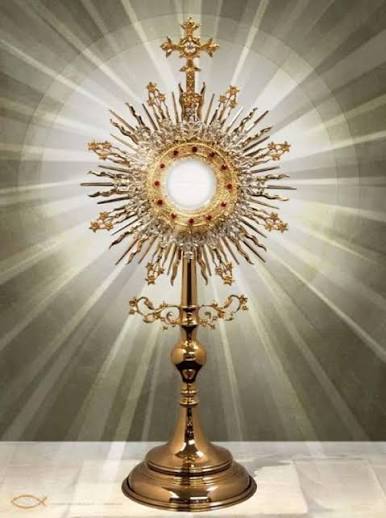
Throughout the U.S., a three-year National Eucharistic Revival has begun with the goal of revitalizing parishes and communities in a new way. The United States Conference of Catholic Bishops launched this initiative precisely because the word — and the reality behind it — belongs to Catholics too.
One Nuance Worth Knowing
Where Catholics should be cautious is when the word "revival" carries Protestant revivalist baggage — meaning the idea that emotional experience, human techniques, or altar-call methods produce grace. The modern upshot of revivalism's influence is the triumph of the subjective over the objective elements of the Christian religion. Because of revivalism's concern for the internal state of the preacher or the convert, it has fostered disregard for the necessity and importance of external forms, whether in liturgy, creeds, or church polity.
Catholics know that grace comes through the Sacraments, not through emotional intensity. A Catholic revival is always ordered toward the Mass, Confession, Eucharistic Adoration, and a deeper sacramental life — not away from them.
The Bottom Line
Use the word freely. Revival, renewal, awakening — these are beautiful words pointing to a beautiful reality: the Holy Spirit moving powerfully in hearts and communities, drawing people back to God. The Church needs revival. The world needs revival. And Catholics are uniquely equipped to lead it — because they have the fullness of the faith, the Sacraments, and the Real Presence of Christ Himself.
"Jesus, We Trust in You!"